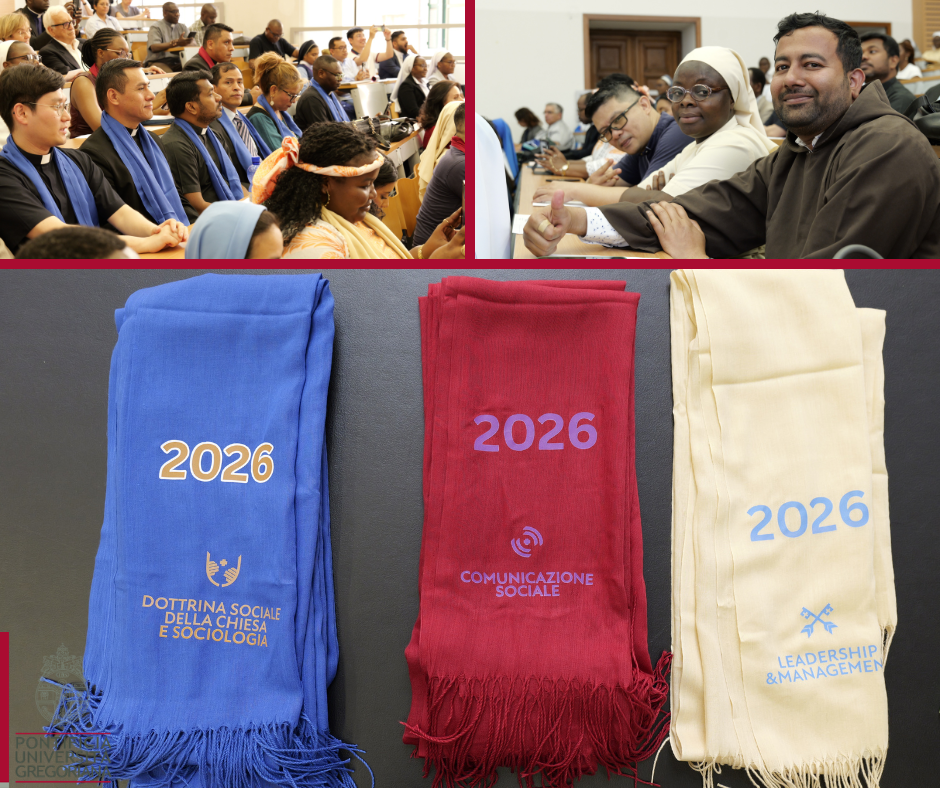

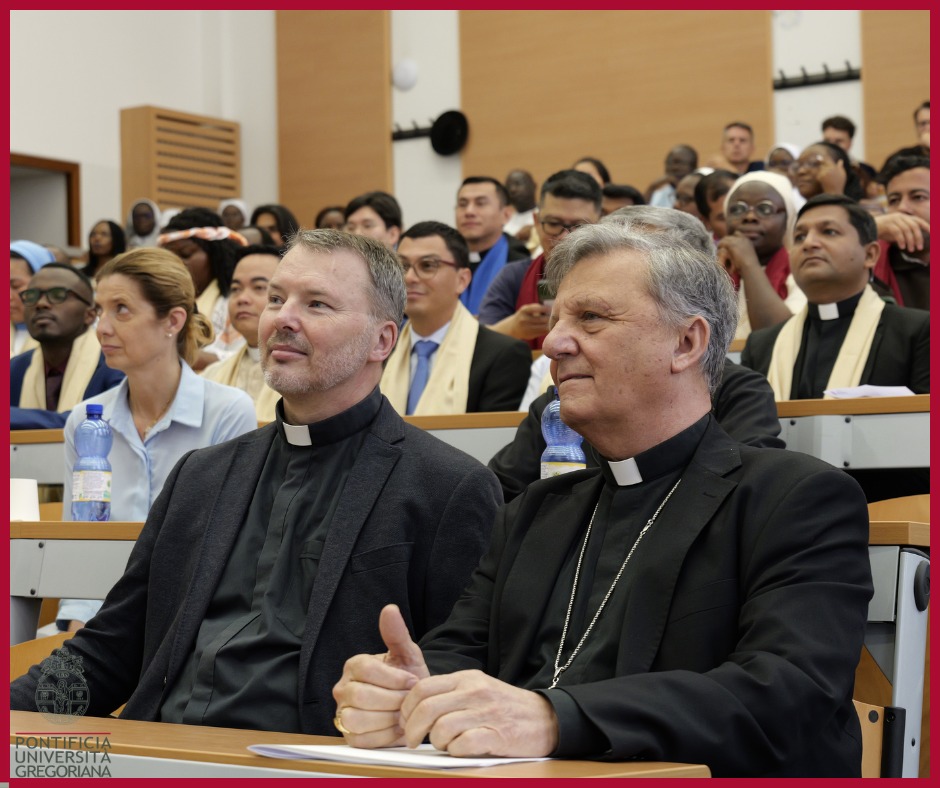
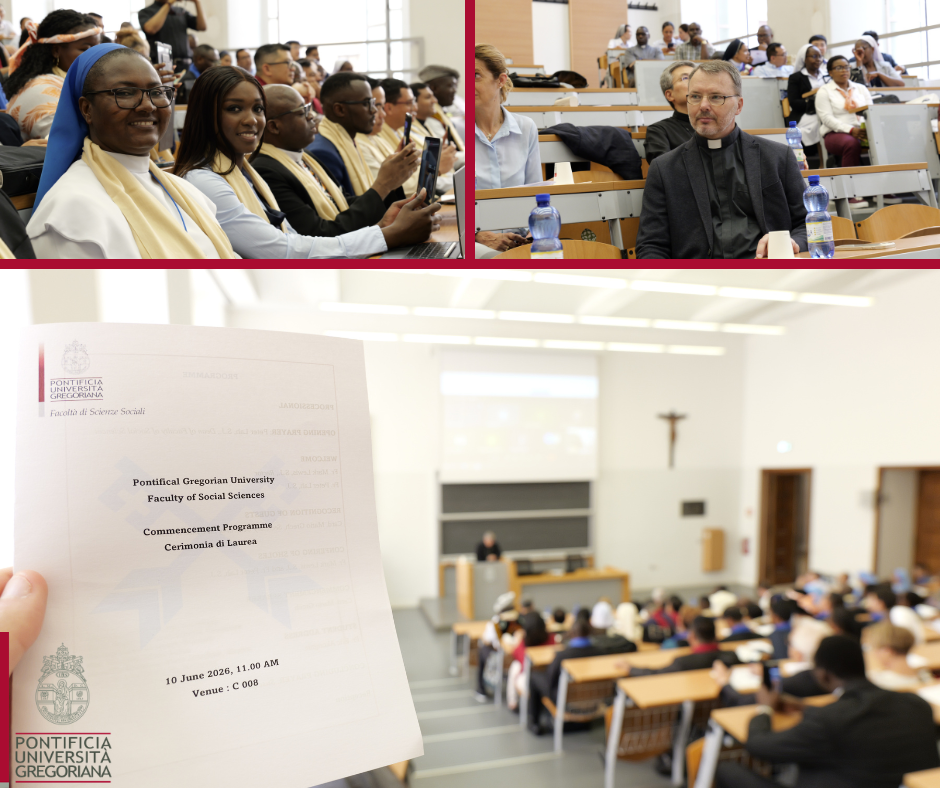
The intervention of His Eminence Cardinal Mario Grech on the occasion of the Faculty of Social Science Graduation, which includes the Licentiates in Leadership and Management, Social Doctrine and Sociology, and Social Communication, offers much more than an academic contribution. It is a prophetic invitation to rethink leadership, management, and governance through the lens of the Gospel and the synodal experience of the Church. As I listened to his words, I was struck by how closely the vision of the Synod resonates with the Church’s broader mission of evangelization in a rapidly changing world.
Leadership in the Logic of Service
At the heart of Cardinal Grech’s reflection is a fundamental conviction: the Church does not lead according to the logic of power but according to the logic of service. Drawing from Lumen Gentium and the Final Document of the Synod, he reminds us that authentic Christian leadership is inseparable from humility, relationality, and the willingness to walk the path of Christ, who emptied himself and took the form of a servant. In a society that often equates leadership with influence, efficiency, or control, the synodal method proposes a radically different paradigm. It begins not with authority but with listening, not with domination but with communion, not with self-promotion but with shared discernment.
The Primacy of Relationships
This perspective speaks deeply to my own understanding of communication and leadership within the Church. Throughout my studies and pastoral experience, I have become increasingly convinced that the Church’s most effective strategy has never been technological sophistication or institutional power. It has always been witness. The synodal journey reinforces this conviction by placing relationships at the center. As Cardinal Grech notes, structures remain necessary, but it is relationships that sustain the vitality of the Church. This insight challenges all those engaged in leadership to move beyond managerial efficiency and cultivate spaces of encounter, trust, transparency, and mutual accountability.
Communion, Mission, and Humility
Particularly compelling is the Cardinal’s proposal to connect leadership, management, and governance with three distinct evangelical qualities: relational leadership, missionary management, and humble governance. These categories offer a concrete framework for Christian engagement in contemporary society. Leadership becomes relational because it mirrors the Trinitarian life of communion. Management becomes missionary because every organizational process must ultimately serve the proclamation of the Gospel and the dignity of the human person. Governance becomes humble because authority in the Church is exercised according to the example of Christ washing the feet of his disciples.
A Synodal Response to the Challenges of Our Time
The references to Pope Leo XIV’s Magnifica Humanitas further expand this vision. The encyclical’s concern for truth as a common good, the dignity of work, ethical responsibility in artificial intelligence, and the renewal of democratic participation demonstrates that the synodal process cannot remain confined within ecclesial boundaries. Rather, it offers a contribution to the entire human family. The Church’s reflection on technology, economics, and governance is not merely institutional self-reflection; it is part of her mission to accompany humanity in discerning pathways toward integral human development.
Human Dignity in the Age of Artificial Intelligence
Among the challenges identified by Cardinal Grech, the question of artificial intelligence appears especially urgent. The emergence of algorithmic governance, data surveillance, and technological concentration of power raises profound ethical questions. As someone engaged in the study of communication and digital culture, I recognize the necessity of bringing the Church’s social teaching into dialogue with these developments. The synodal method, grounded in listening, discernment, and participation, offers a valuable corrective to technological systems that risk reducing persons to data points and relationships to transactions.
Synodality and the Renewal of Democratic Life
Equally significant is the Cardinal’s reflection on the crisis of democracy and international governance. At a time when many institutions struggle with declining trust and increasing polarization, the synodal experience demonstrates that participation, dialogue, and discernment remain possible. The Synod may indeed be understood as a “sign of the times,” not only for the Church but also for societies searching for new forms of collaboration and solidarity. By fostering a culture of encounter, the Church contributes to the rebuilding of social trust and the promotion of the common good.
Building a Civilization of Love
Ultimately, Cardinal Grech’s address invites us to view the synodal process not as a temporary ecclesial initiative but as a spiritual and pastoral conversion. It calls us to become, in the words of Pope Leo XIV, “wise architects” of a civilization of love. This task requires intellectual rigor, pastoral sensitivity, and courageous hope. It demands leaders who listen, managers who serve the mission, and governors who exercise authority with humility.
Communion as the Future of the Church
As I reflect on this vision, I am reminded that the future of the Church will not be determined primarily by structures or strategies, but by the quality of our relationships with God and with one another. The synodal path teaches us that communion is not merely a method; it is a way of being Church. In this sense, the Synod becomes both a gift and a responsibility, a prophetic sign that the Gospel continues to offer humanity a credible path toward justice, peace, participation, and authentic human flourishing.
By Fr. Mark Robin Destura, RCJ