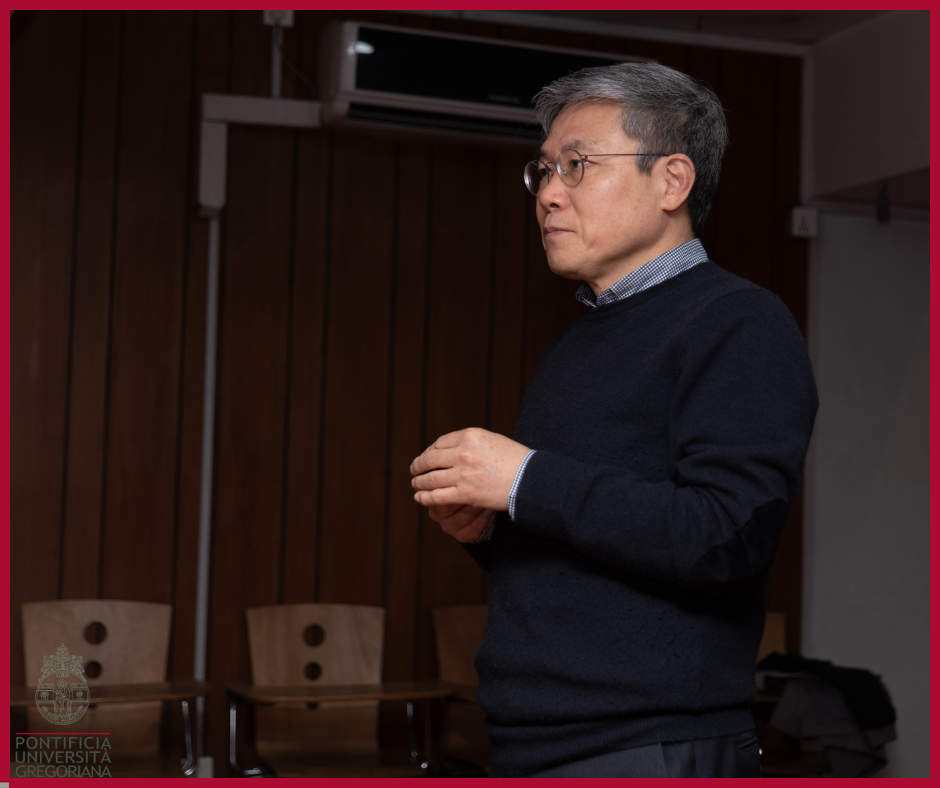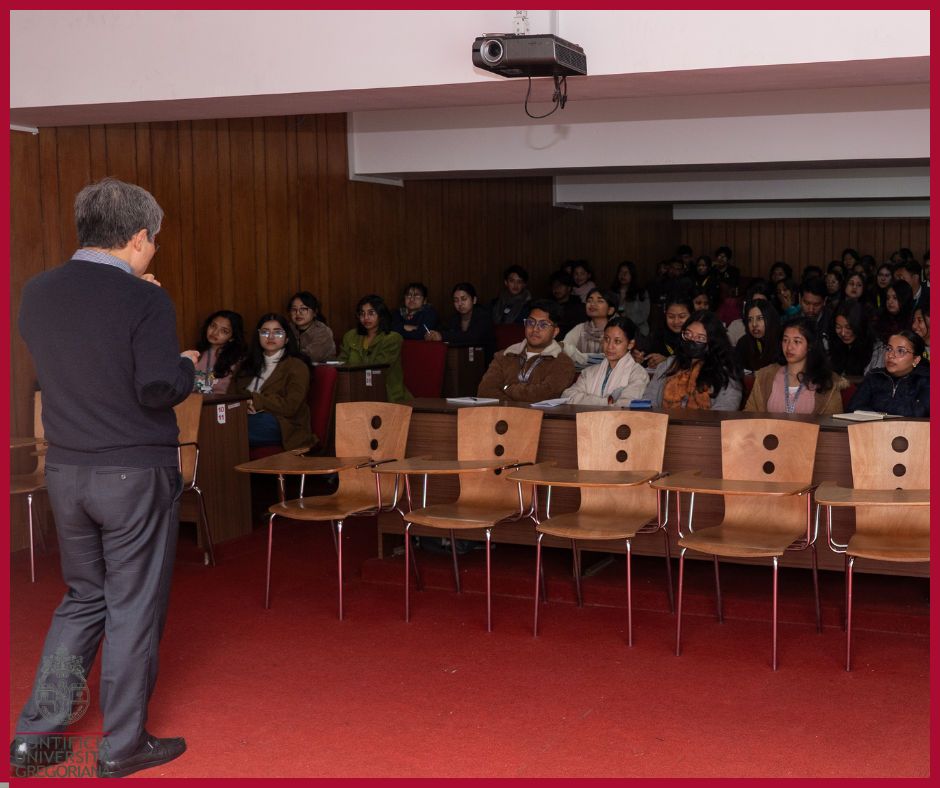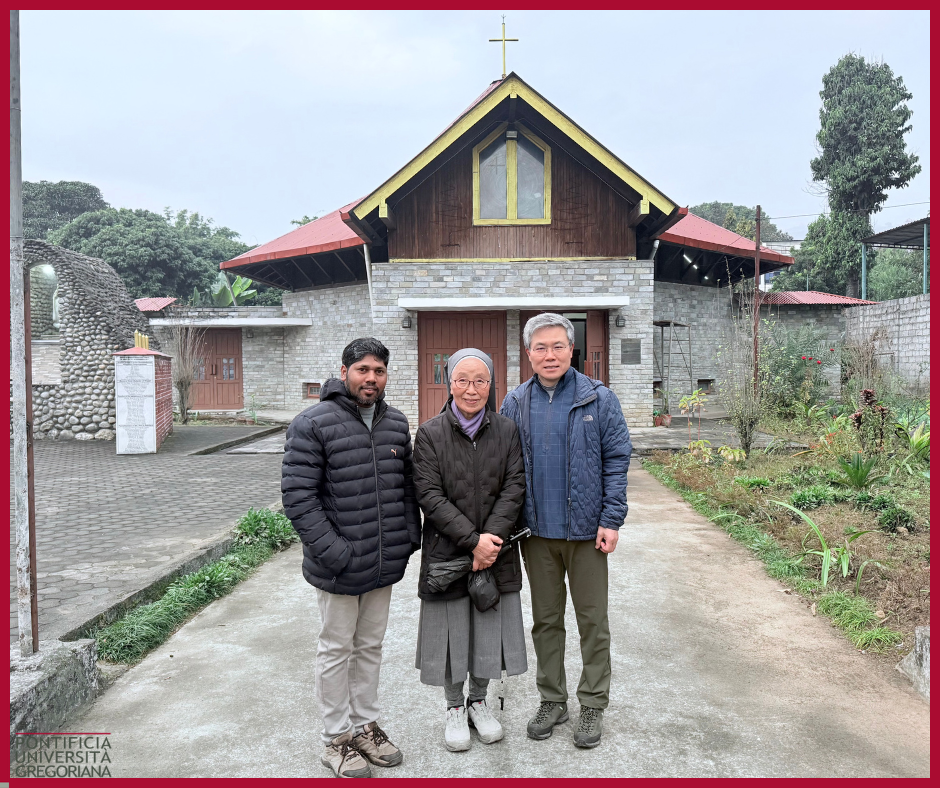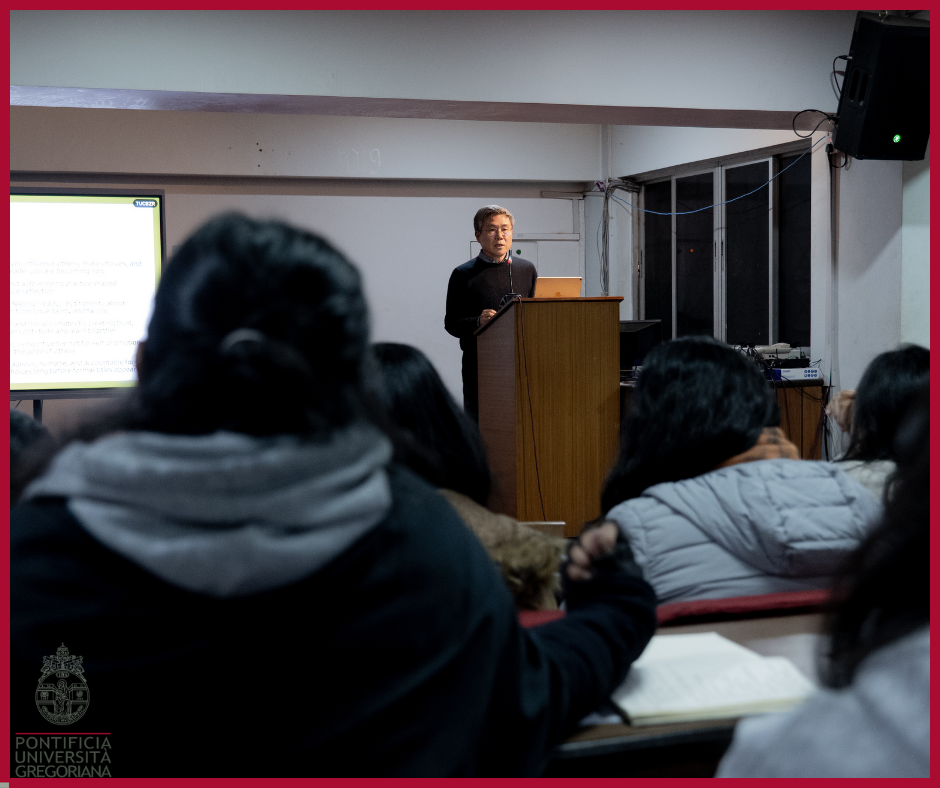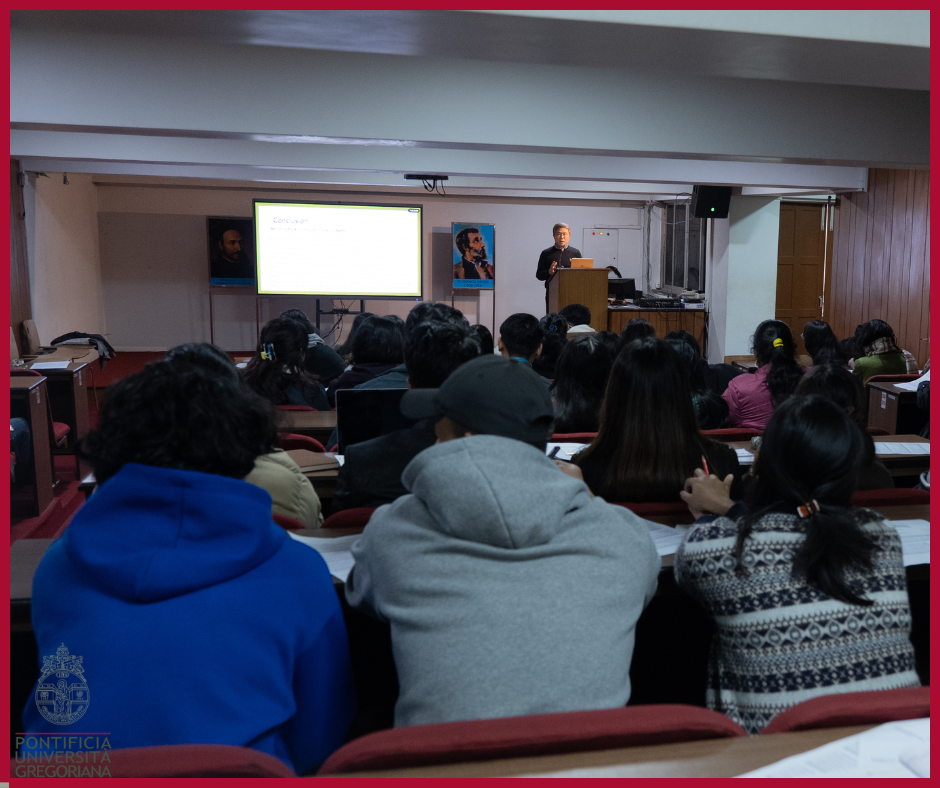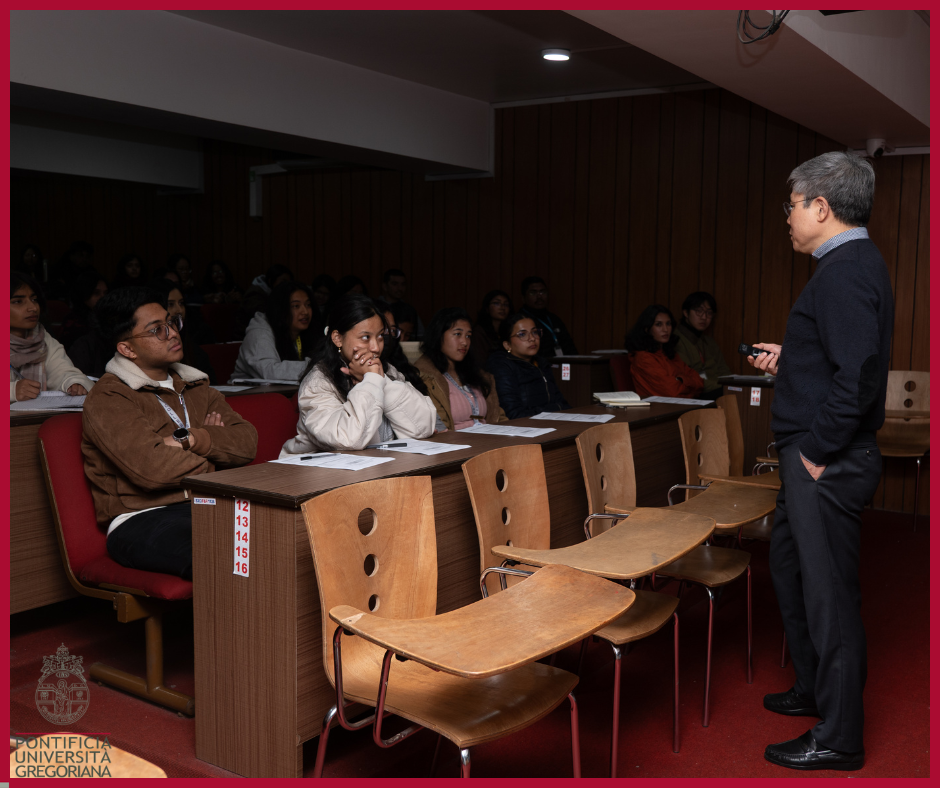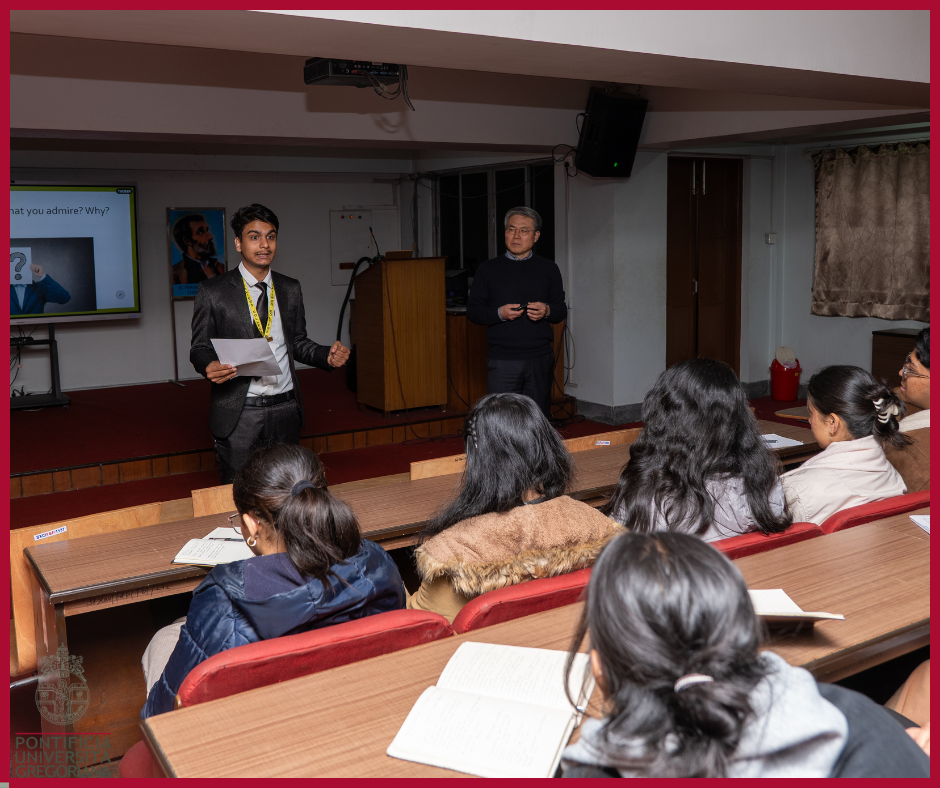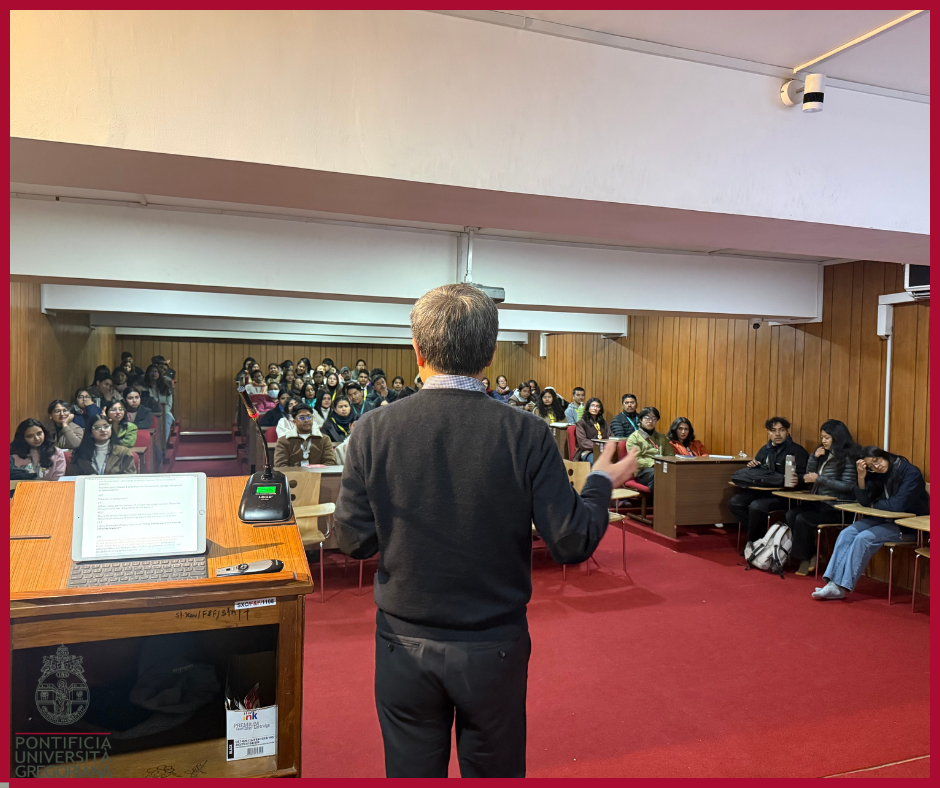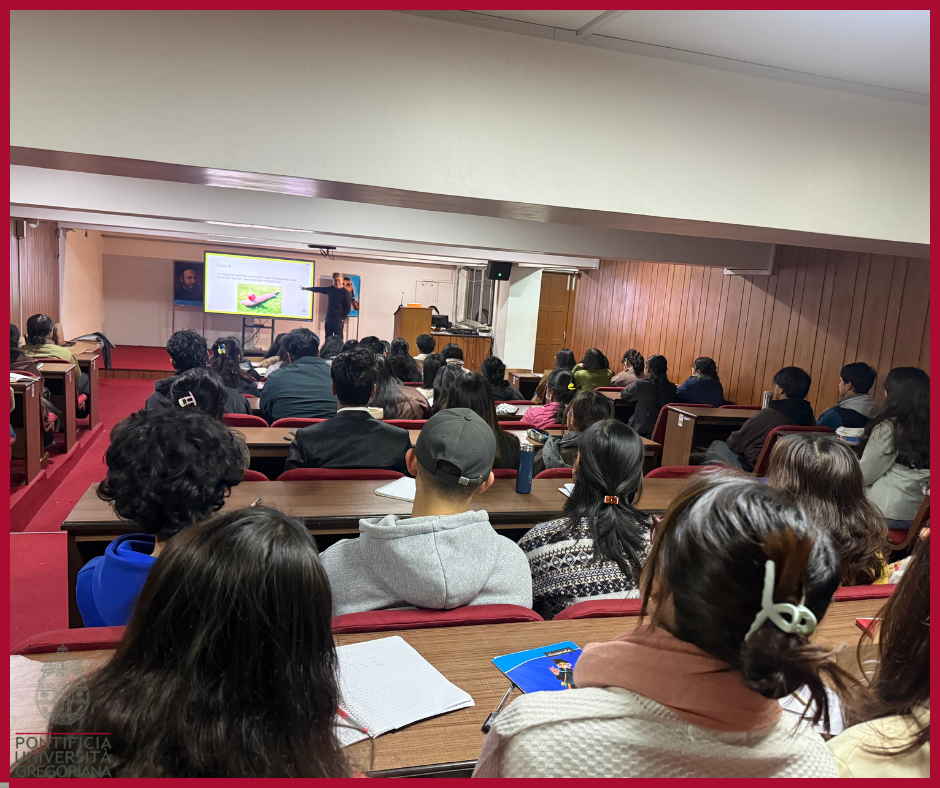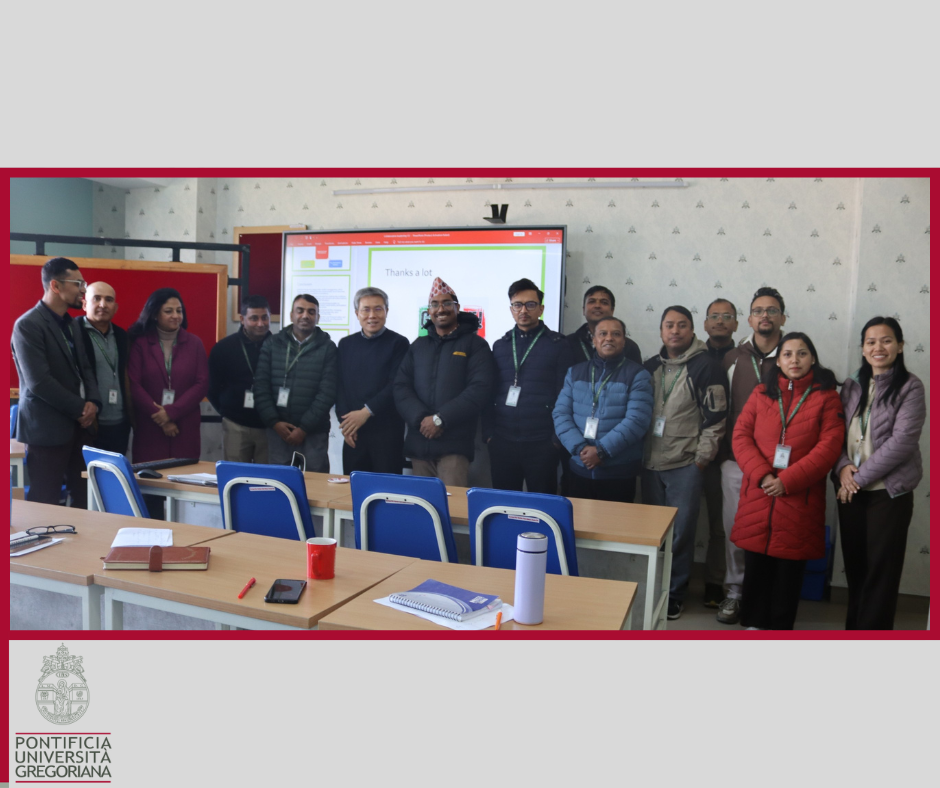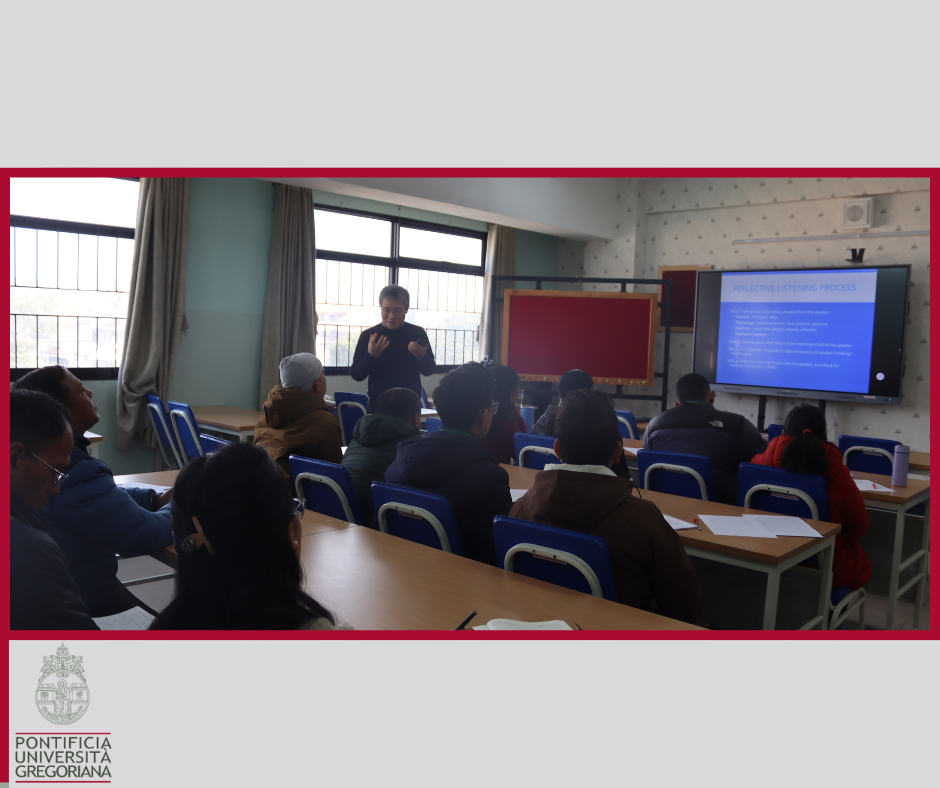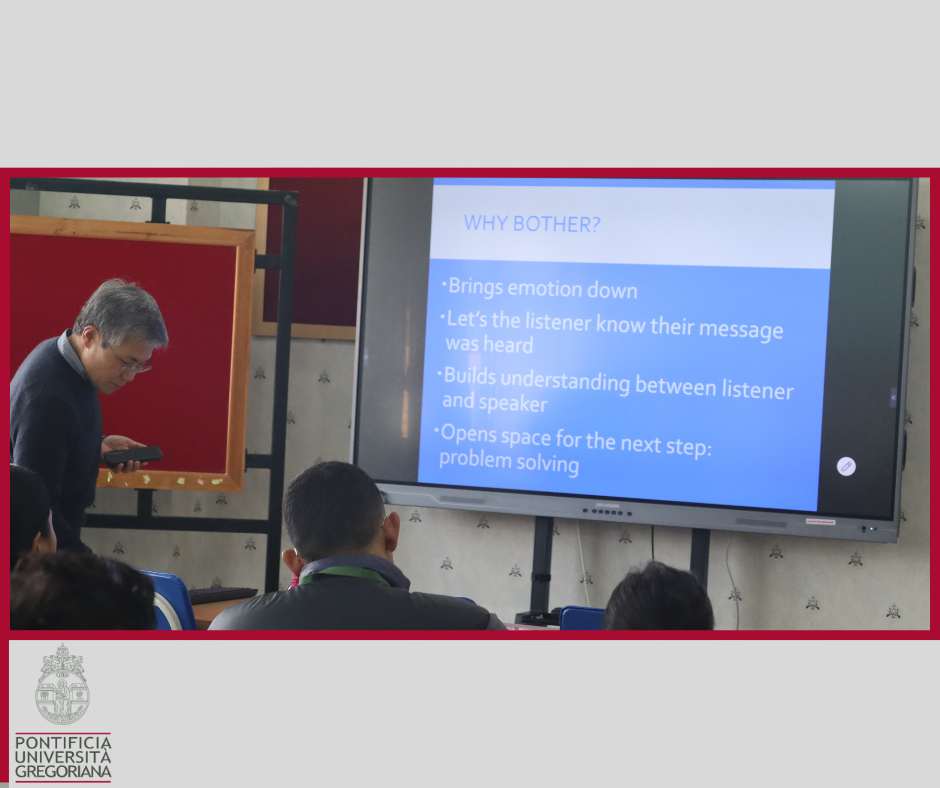
From 26–28 January, I had the grace of offering a series of lectures at St. Xavier’s College, the Jesuit college in Kathmandu, Nepal. I met with two different groups: fourteen A-level faculty members and seventy-two student leaders. Although the sessions differed in focus, they were united by a single question: how do we form persons as leaders and institutions that remain faithful to their mission?
With the faculty, I explored what is often called “organizational development.” The sessions with them were centered on three closely connected themes: conflict management, psychological safety, and collaborative leadership. These are not separate techniques, but dimensions of a shared culture. Conflict management allows disagreement to become a source of learning rather than division. Psychological safety creates an environment in which people can speak honestly without fear of humiliation or retaliation. Collaborative leadership integrates both, fostering shared responsibility and trust across roles.
Our conversation moved beyond theory. We reflected on how these attitudes can be practiced concretely in classrooms and departments. In a Jesuit institution, leadership is not exercised alone but in communion, guided by discernment and a commitment to the greater good. I encouraged the faculty to embody these principles in daily interactions, so that students may encounter not only competence, but integrity and care.
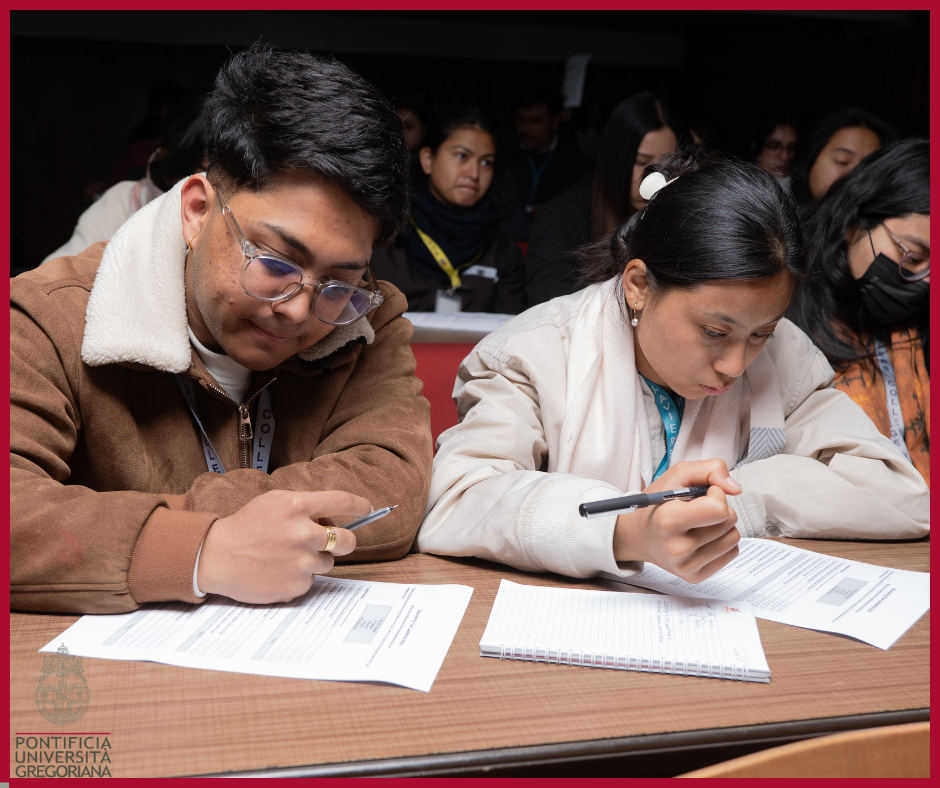
The second group consisted of about seventy-two student leaders from the Student Quality Circle, Departmental Clubs, and Class Representatives. I chose the theme, “What forms a person into an effective leader?” Many of these young people are already exercising leadership, even if they do not name it as such. Some influence others not through titles, but through credibility and the ability to bring people together.
We examined how contemporary culture often equates leadership with visibility, speed, and constant success. Yet true leadership endures when recognition fades and decisions become costly. It begins not with power over others, but with responsibility for oneself. University years are a privileged time to cultivate inner grounding: learning to listen, to discern, and to remain faithful to one’s values when they are tested. Leadership flows less from what we do than from who we are becoming.
Personally, I felt blessed and honoured to participate in this extension of the universal mission of the Church beyond Rome. The feedback from the faculty and students was encouraging and thoughtful, which seemed to open new horizons for reflection and dialogue. The college has expressed interest in inviting me again to offer a workshop for the entire faculty on Jesuit education. For this, I am deeply grateful.
Benedict Jung, S.J.